Wednesday, January 17, 2024

OMRI - What's this all about?!

Have you ever noticed an OMRI logo on a product  from us? 


It’s likely you have because these products have been evaluated for their suitability in producing organic end products and they align with our vision to offer products for organic growing! 


We even have products that we have had go through their rigorous vetting process like our ARBICO Organics OMRI Listed®” Beneficial Nematodes! 


These products that they certify range from every kind of growing input from fertilizers to fungicides and more. These products serve to help make it easy and transparent for growers and gardeners alike to choose the type of products that best fit into their growing strategy. It also makes it possible for growers and gardeners to have certified organic end products should that be their goal. If you have ever been curious about this organization and what they provide, look no further! We have dug up the details for you and are pleased to share them with you! 


What is “OMRI” exactly and who are they?

  • OMRI stands for Organic Materials Review Institute
  • It is a 501(c)(3) nonprofit organization
  • It was founded in 1997 by organic certifiers and stakeholders
  • Vist their site to learn all about their history and mission here: www.omri.org


What does the OMRI organization do? 

  • They provide an independent review of products intended for use in certified organic production, handling, and processing.
  • They list these compliant products as “OMRI Listed®” and provide access to “OMRI Products Lists©”  for the public.
  • They also provide information, education and training on the suitability of material inputs for organic requirements. 


How do they establish what products are “OMRI Listed®”?


OMRI just passed a major milestone by establishing 10,000 OMRI Listed® products reviewed and verified for organic use! 


Here at ARBICO Organics, our mission aligns to provide gardeners and growers with sustainable choices and the opportunity to grow organic and we are pleased to offer some of these amazing products! 


Check out our OMRI Listed® product page to see which ones are available for you to use!

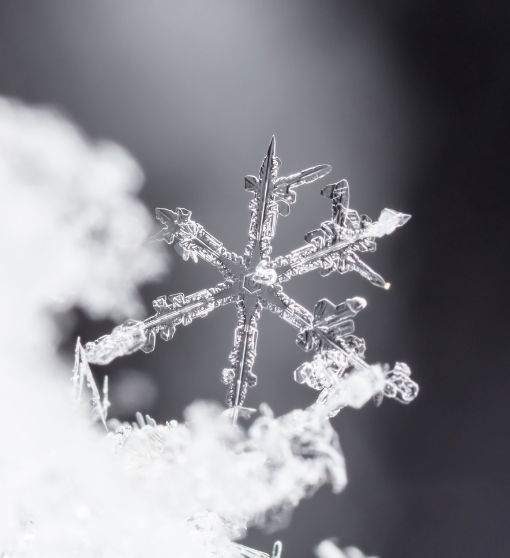
How Insects Survive During Winter

Ever wondered about how bugs make it through the winter? 

It’s not uncommon to see a line of ants marching up the sidewalk in the summer, but you won’t see the same colony going up and down through snowbanks in the winter. You’d think that due to their small size, insects wouldn’t hold up well to cold weather. And you’re correct! 


Insects that do not have specific adaptations to deal with the cold can freeze to death in as little as 24 hours when exposed to freezing temperatures. This effect is compounded when you account for the fact that typical insect food (pollen, nectar, leaves, etc.) is no longer available in the winter. 

Yet come spring, all these insects are back out in full force with no noticeable decrease in numbers. 

So, what’s the trick? 
For some insects, like butterflies, the answer is to leave for warmer weather. 
These insects have no special resistance or adaptations to the cold, so their answer is to get away from it. Species of insects that migrate are butterflies, dragonflies, moths, and beetles.

Of course, wings are necessary for migration, and not every insect with wings chooses to migrate. What do the remainder do?

Hibernation is a common strategy for insects.
Burrowing deep into the soil, finding leaf litter,
crawling into a cave, and even going within your home! In fact, human homes are one of the easiest ways for an insect to survive the winter. After all, while the outside might be below freezing, your house is climate-controlled year round (Looking for more information on pests inside your home? Check out one of our previous articles). For insects unable to punch their ticket in your home, natural shelters reduce the severity of cold temperatures but do not remove them entirely. 


To survive the winter, insects must avoid having ice form within their cells. There are two methods for doing this: freeze avoidance and freeze tolerance. 
Freeze avoidance, as the name implies, means that the insect does everything it can to avoid getting frozen. To do this, freeze avoidant insects produce a chemical within their bodies that is virtually identical to antifreeze. Yes, the same antifreeze that you put in your car! This chemical keeps fluids circulating throughout the insect’s body even when temperatures are below freezing. Freeze avoidant insects will also produce proteins that bond with ice crystals forming inside their bodies and break them down.

Some insects don’t bother with exerting energy to prevent themselves from freezing. Instead, they’ve evolved freeze tolerance, which means that these insects allow themselves to freeze and cope with the formation of ice crystals in their bodies. This type of insect is commonly found in the Southern Hemisphere, likely due to the more severe swings in climate.

It’s difficult to imagine turning yourself into a popsicle for the winter then waking up just fine in the spring. What needs to happen so the insect doesn’t die? First, ice just doesn’t form anywhere. The insect keeps any freezing outside of its cells through the creation of ice nucleating proteins. These proteins attract ice crystals, causing them to form on the outside of the body instead of inside cells. Freeze tolerant insects also attract water into their bodies. This prevents ice crystals from extracting water from the insect’s cells.


Finally, one of the most common winter adaptation strategies for insects isn’t necessarily what we’d think of as an adaptation. Countless species of short-lived insects don’t even live for one month in ideal weather. If this is the case, why evolve to live through the most difficult part of the year? Instead, these insects lay eggs before dying out in the fall. Once warmer weather appears, these eggs are triggered to hatch, as warm weather implies the existence of food for the larvae.

Regardless of how they do it, insects will find a way to make it through the winter. Even if you don’t see them when there’s snow on the ground, know that they’ll be back in the spring.


Robin @ ARBICO Organics

Monday, January 8, 2024

Two Winter Pests That Invade Your Home

New Year's has come and gone, and several parts of the USA already have snow on the ground. For all practical purposes, winter is here. And while you’re rummaging through your closet wondering where you left your pair of winter gloves, various types of pests are trying to get out of the cold.

A quick note: Rats and mice are common trespassers during winter months, and they can definitely wreak havoc on a home, but they aren’t the focus of this article. 
Instead, we’ll be focused on insect pests, specifically ants and cockroaches.

Ants are notorious for being persistent invaders during every season. Many ants retreat into their burrows and enter a dormant state during cold periods, but not all of them. Some ant species, such as the stink ant (also known as the odorous house ant), can move indoors to escape the cold. When ants feel cold weather, they respond by instinctively searching out warm places. Though this is traditionally an ant burrow, almost any species of ant is happy to substitute a climate-controlled home. Whether it’s food or warmth, ants will seek it out and can enter homes through minuscule cracks and openings. Though ants do not pose an immediate health risk, their presence can be a nuisance, and some ant species can cause damage to property. Plus, an ant colony definitely produces a distinct smell!

Do you already have ant problems? Take a look at the EcoSmart® Ant & Roach Killer Spray. It uses natural and essential oils to kill ants on contact. These oils also do a great job of taking care of lingering smells after you’ve taken care of the colony.

During the winter, ants largely only enter human homes for warmth and consider the food that they find a natural bonus. However, cockroaches are a completely different story. They are attracted to not only warmth, but also moisture, food, and refuse. This tendency only increases in winter. Different types of cockroaches prefer different environments. Here’s a quick breakdown of common cockroach species found in residential homes across America.

German Cockroach
This is one of the most common species of cockroach, and it's what likely comes to mind when you visualize a cockroach. It’s found across the entire world, and the only factor that limits its population growth is cold weather. This aversion to cold weather means that cockroaches are naturally attracted to human homes and dwellings. And they’ve made it work. German cockroaches are usually found in kitchens, bathrooms, or food storage areas, even in areas as far north as Nunavut, Canada. If you spot one, know that it cannot fly away. Though German cockroaches have wings, they can only glide short distances.

Brown-Banded Cockroach
This species is smaller than the German cockroach, though it’s not a noticeable difference to the naked eye. Also like the German cockroach, the brown-banded cockroach prefers warmth. A noticeable difference is the brown-banded cockroach’s' inclination to settle in high elevations. It’s not uncommon to find them in upper cabinets, on top of refrigerators, and in attics.

Oriental Cockroach
This bug is also referred to as the black cockroach due to its dark coloration. This type of cockroach prefers moist environments and tends to settle in basements, crawl spaces, around leaky water pipes, in bathrooms, and in places with fungal infections. All cockroaches can spread disease, but oriental cockroaches are among the worst. Take extra care to exterminate them if you notice these bugs in your home.

Thankfully, all species of cockroach can be controlled similarly. 

There are simple steps you can take, such as sealing entry points with caulk or weather stripping, keeping a clean environment, working with a plumber to seal leaky pipes, and making sure your food is secured -- including the food that’s thrown in your trash can and any pet food you use for your furry friends. If you’re dealing with an infestation, try using Avenger® Roach Tablets. Just drop them where cockroaches gather then check back in a day. Cockroaches are drawn to these tablets and will die once they ingest them.

By: Robin @ ARBICO Organics

Wednesday, November 29, 2023

How to Eliminate Pests in a Fall Greenhouse

It’s November, which means that the last dregs of fall are fading fast. US growers in zones three and four have likely already experienced some freezing temperatures overnight. Wherever you are, temperatures are dropping, which means that garden pests are looking for a place to take shelter and get away from the cold. 


Unfortunately for you, your greenhouse is the perfect place for pests to shack up for the winter!

Regardless of what you do, a greenhouse will inevitably attract pests during the colder months. By definition, a greenhouse is warm, climate-controlled, and usually has a high humidity level relative to the outdoor environment. Don’t fret! There are ways to minimize pest attraction and manage existing infestations.

Get Rid of Dead Plant Matter
Truthfully, the best time to clean a greenhouse for winter is in September or October, but November is a good case of better late than never. Look at your forecast and select the warmest, sunniest day possible (even if those are in increasingly short supply in the northern US) for cleaning. Before you clear out your greenhouse, check any plants that will be overwintered in the greenhouse. Are they looking healthy? 
If you need to prune away unhealthy or dead branches/stems, now is the time to do it.

Once your plants are pruned, move everything outside. You’ll inevitably have some dead plant matter on the ground, and you’ll likely have bits of mold tucked into the dark corners of your greenhouse. Grab a hose and spray it down! After power washing away the obvious plant matter, apply a cleaner to the structure of the greenhouse. Make sure to pay attention to corners and recesses that offer shade - these areas are hotspots for pest breeding and fungus. Windowsills are another area to focus on.

Tip: Check out SaniDate® All Purpose Disinfectant for a reliable all-purpose cleaner. 

After you’ve applied the cleaner, make sure to wait at least 15 minutes to air the greenhouse out before bringing plants back in.

Seal and Secure

During the cleaning process, keep an eye out for noticeable gaps in your greenhouse structure. Simple repairs on a plastic frame can be done with greenhouse repair tape, which will also be labeled as a polyethylene tape. Make sure the tape is UV resistant. 

If the damage is too severe, we recommend talking with professionals to determine your next step. Some greenhouses you can simply replace one wall, while others might require a complete refitting. As common sense implies, sealing up your greenhouse limits the amount of entry points for pests.

Keep Plants Apart
It can be tempting to fill your greenhouse to the brim during the winter months. After all, where else are you going to grow? However, putting too many plants in your greenhouse can lead to more harm than good. Pests can easily move from plant to plant when leaves from two plants overlap. A single pest can multiply rapidly in an overcrowded greenhouse.

Fight Back!
Keeping your greenhouse free of plant matter and sealed up tight does a great job at preventing most winter infestations, but insects are called pests for a reason. They have a nasty habit of showing up exactly where you don’t want them. When pests do breach your first line of defense, make sure you’re equipped to fight back. Aphids are a pest no matter what time of the year, and they’re more than happy to invade your warm greenhouse.

Sticky Traps are a greenhouse essential when it comes to monitoring pest populations. However, to keep pests like aphids under control, check out biological pest control, such as the green lacewing. Keep in mind that green lacewings are most effective in a setting with temperatures between 67-90 degrees F and relative humidity of at least 30%. Check out this article for more information about maintaining a green lacewing population and using them as a means of pest control.

From Robin @ARBICO Organics

Wednesday, November 8, 2023

How to Eliminate Fungus Gnats

Gardeners across America are gearing up for the winter growing season in their greenhouses or scrambling to bring their potted plants indoors before the first frost hits. 


Unfortunately for these gardeners, the winter season also means that fungus gnats are ready to throw a baby shower. They’re using your plants as the venue, and they’re not going to stop with just one baby shower. Like most pests, fungus gnats breed quickly and can devastate your garden if left unchecked. 

So how do you deal with fungus gnats?

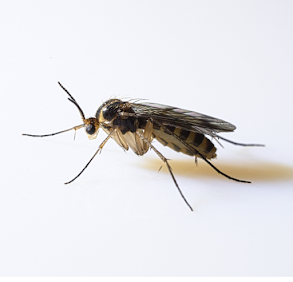
KNOW SOME FACTS: Fungus gnats have a reputation as winter pests, but they don’t exclusively operate in the winter. They’re active year-round, but fungus gnats have unusually high tolerance to cold for an insect. Some species even have antifreeze proteins, which allows the bug to stay alive and somewhat active throughout the winter, instead of remaining in an egg like other insect pests.

Thankfully, despite the fungus gnat’s high cold tolerance, fully mature members are not all that threatening. In fact, they’re largely passive. Adult fungus gnats are poor fliers. What limited flight they have is more analogous to extended, meandering hopping rather than the precise flight exhibited by a housefly. The adults cannot eat any part of your plant. In fact, adult fungus gnats cannot eat any solid food. They live out their 10-day lifespans on a liquid-only diet of water and plant nectar (if they can easily access it.)

However, adult female fungus gnats can lay over 300 eggs during their brief lifespan. And while the adults are nuisances, the larvae are actual pests to your plants. Fungus gnat larvae will eat through plant roots and leave plants highly susceptible to root rot. With their rapid breeding cycles, fungus gnats can quickly overrun a greenhouse if you aren’t paying attention.

TRY THESE 3 STEPS TO FUNGUS GNAT CONTROL:

1) AVOID CONDITIONS FUNGUS GNATS LOVE  

Soggy, overwatered soil is a fungus gnat’s favorite place to start a family. Eggs and larvae like to hang out in the first couple of inches of soil, so make sure that your topsoil stays dry between watering. To keep topsoil dry, try watering at the root of the plants. While you can go all out and use a drip irrigation system if you have a large grow operation, there are ways to water generic potted plants at the root. Check your pot. Does it have any holes in it along the bottom? If it does, place the pot in a large container. Water the container itself and watch as the water is sucked up through the holes in the bottom of your pot.

 2) ELIMINATE EGGS AND LARVAE 

You don’t want to search for eggs and larvae manually. These things are tiny and often buried under an inch of topsoil. Instead, track your pest control efforts by monitoring the adult population (more on this in the next section). Of course, it’s not unusual to see a fungus gnat eggs and larvae, though both are near microscopic. Eggs are tiny white dots while larvae have black heads, white-to-translucent bodies, and are about ¼ inch long when fully grown. If you see one, just know that many more are likely just below the initial topsoil layer.

To control egg and larvae populations, use a spray, such as the BONIDE® Captain Jack's™ Neem Max or maintain a population of fungus gnat predators in your soil, such as beneficial nematodes.


3) ELIMINATE MATURE POPULATIONS TO PREVENT FUTURE ONES

Since adult fungus gnats aren’t a threat beyond their egg laying capabilities, using normal fly/sticky paper is sufficient to control populations. Fungus gnats are very weak fliers, so making minimal contact with the adhesive is enough to immobilize the adult. Make sure you get yellow sticky paper—this color attracts the most fungus gnats. A bonus of using fly paper is that you can monitor adult population levels over time. 

Once new adults stop getting stuck to the fly paper, you’re on the path towards wiping out your unwanted winter gardening guests.


By: Robin @ ARBICO Organics 

Tuesday, October 17, 2023

Meet Goliath, the World’s Largest Beetle

Goliath Beetle

You’ve dealt with whiteflies, gnats, flies, aphids, and so much more in your backyard garden, but there are some insects out there that can be truly horrifying. Meet the Goliath beetle! This insect is a standout in the world of insects, and not just because of its massive size. It’s well known for being the largest beetle in the world, but Goliath beetles deserve to be recognized for more than their size.

Fun Fact: Goliath beetles are a group of five beetles, making them a small portion of the 35,000 scarabs and beetles alive today. 

  • Goliathus goliatus is the most well-known of all the Goliath beetles, but all of them share vivid coloration and impressive size that are the hallmarks of this species. 
  • The largest beetles can grow up to 4.3 inches in length, and their colors range from generic blacks, browns, and grays to vibrant shades of green, blue, or red.

Fun Fact: From birth to death, Goliath beetles go through a complete metamorphosis. 


Goliath v. Others
This process consists of four stages: egg, larva, pupa, then adult. After emerging from an egg, Goliath beetle larvae grow to the size of an adult human palm. Goliath beetle larvae are well known for their immense appetite, primarily feeding on decaying wood and plant matter. Their diet, rich in cellulose, is broken down by specialized gut bacteria, allowing the larvae to thrive in their nutrient-rich environment. These larvae can take several years to reach full maturity, and during this time, they undergo multiple molts, shedding their exoskeletons as they grow. 

Fun Fact: Once fully grown, a Goliath beetle can lift up to 850 times their body weight!

Due to their incredible size and beauty, Goliath beetles have become popular in the exotic pet trade and insect collecting hobby. Habitat destruction and agriculture combined with the pet trade, have put pressure on their populations in the wild, and most species are now considered vulnerable or endangered. Conservation efforts are being made to protect their natural habitats in Africa and regulate the trade of these magnificent creatures.

The next time you’re complaining about whiteflies and aphids, keep things in perspective and be thankful that you don’t have to do pest control on beetles the size of your hand!

Monday, September 25, 2023

How to Prepare Your Greenhouse for the Winter Growing Season


September is upon us. Kids are back in school, football is being played on the weekends, and veteran gardeners are starting to prepare their greenhouses for the winter growing season. If you live in a gardening zone where temperatures drop below freezing and snow frequently falls, a greenhouse or a cold frame is your only option for growing during the winter.

If you use your greenhouse year-round, the first thing on your to-do list is preparatory cleaning.

Your home might undergo spring cleaning every year, but for your greenhouse, the most critical time to clean is before winter. If your greenhouse does not stay empty during the summer, the growing season has finished, so there are less plants to worry about. Cleaning is critical to eliminating any pests, such as slugs, whiteflies, and gnats, while also eliminating diseases. Once temperatures start to drop outside, your greenhouse becomes a sanctuary for pests to lay eggs and overwinter. Standing water and clumps of old soil make great nurseries for nefarious insects.

Curious about cleaning your greenhouse? We have a detailed guide here, but here’s a quick outline.

  1. Remove everything (plants, tools, shelving, etc.) from the greenhouse. You need to give yourself some space to work!
  2. Select a cleaner that is designed for use in a greenhouse. Standard, off-the-shelf cleaners may contain harsh chemicals that can linger and inhibit future growth (even when you remove all of your plants from the greenhouse before cleaning).
    1. Looking for a recommendation? Try ARBICO’s ZeroTol® HC. This spray acts as a standard disinfectant that can be applied to greenhouse surfaces, but it also can be applied on plants themselves.
  3. Hose it down! Don’t worry about applying the cleaner you selected in the previous step yet. Instead, take a hose and use a jet nozzle to spray down the greenhouse frame. If you don’t have a jet nozzle, you can use a broom to a similar effect, though it’s much less fun.
  4. Use your selected cleaning solution to clean the structure of the greenhouse. Make sure that it sits for at least 10 minutes. While cleaning, keep an eye out for holes in the structure or areas that need additional insulation.
  5. Check your windows! A mild soap and water solution works fine for this, and a squeegee can speed up the process. Clean windows let in more light, so if you neglect window cleaning year after year, your plants will get a diminishing amount of light.
    1. Make sure you open all of your windows and scrape out the grooves. Pests and mold love to propagate here, so it’s important to stay on top of things.
  6. Let the greenhouse dry completely before moving any plants back inside.


After you’ve finished your cleaning, decide if you are propagating any plants. 

Propagation allows your best crops to be grown over and over, and it is less expensive than buying new seeds. If you are propagating, prepare the necessary cuttings. We won’t get into too much detail about propagation in this article, but if you are looking to try a new rooting hormone, take a look at Bontone II Rooting Powder. Regardless of if you choose to propagate or if you decide to grow new plants, you should prepare fresh soil for the winter. This is another step to ensure that you aren’t carrying any summer pests through the winter growing season. During your cleaning, you should have removed dead plants, branches, and miscellaneous debris from both the greenhouse and your growing medium. Some growers even transplant growing plants to ensure that their winter greenhouse is 100% free of pests! When placing fresh soil into your pots or trays, make sure that the soil contains the necessary micronutrients and beneficial fungi. Keeping a healthy amount of mycorrhizae in the soil is crucial for developing healthy roots (for both propagated cuttings and plants grown from seeds). Since greenhouses are cut off from the natural soil balance found in a backyard garden, you need to add your own mycorrhizae. The Root Build 240 adds a blend of mycorrhizae that are beneficial to over 90% of all plants, including winter greenhouse staples such as lettuce, tomatoes, and onions.

Growing in the winter isn’t too much different from growing at any other time of year in a greenhouse. What’s critical about the winter season is that it gives you time to reset your growing environment. When you properly prepare for the winter growing season, you ensure that last year's whiteflies and fungi don’t become next spring’s problem.

By: Robin @ ARBICO Organics

Featured Post

5 Simple Ways To Celebrate The Summer Solstice

The summer solstice will make its yearly appearance on Sunday, June 21, 2026. It is the longest day of the year and considered by many to be...