Last year at this time, I wrote a blog on the history and
culture behind the Méxican Dia de los Muertos (Day of the Dead) celebrations on November 1-2. My position on this topic is unchanged: I believe that any celebration is made deeper and more fulfilling by understanding and appreciating its roots. For this reason, I am expanding
on last year's blog and looking at some of the symbols of the Day of the Dead. In celebrating this special occassion, the hope and belief is that loved ones who have passed away will come back for a quick visit and most of the icons surrounding this celebration are an effort to entice them to do just that.
 |
| An Ofrenda |
Most Americans outside of the Méxican community have probably not seen an
ofrenda before, but they are an essential part of traditional Day of the Dead celebrations. These displays are set up to honor and remember loved ones who have passed. Ofrendas can vary wildly - they can be over-the-top big and elaborate or can take up a small corner in a family home, but the purpose of most of the items displayed remain constant. Within
these key elements are items that have become recognizable to the
population at large. There are other elements that are regionally specific and many, like
the puppy, have deep roots in
Mesoamerica and are of special
importance to indigenous communities. The mystically magical themes of Day of
the Dead are all tied to those ancient people of the region. Modern México
brings the Art to the party – as visual enticement to the spirits and because
everything is just more fun when it comes colorfully decorated.
 |
| Gravesite Gathering |
Every true ofrenda
includes
a nod to the four elements of
water,
fire, earth and wind. These items are often are laid out in a cross to show
the
cardinal directions and guide
the spirits (this cross can also be interpreted as one of the many uniquely Méxican
Catholic-Pagan mash-ups).
Water is left out
for the spirits to quench their thirst after their long journey from the
Afterlife. Liquor or beer may also show up, if that was the target spirit’s
preferred thirst-quencher.
Candles are the fire
– they represent hope and faith but are also signal fires guiding spirits on
their way. The number of candles can show how many souls are being welcomed and
the colors of the candles have meanings as well. Candles also appear outside
the ofrenda; they can be seen marking paths to homes or in graveyards to form a
spirit runway for them to see the route back home.
 |
| Pan de Muerto |
Earth is
represented by the earthly need and pleasure of food. The food being offered
can be the favorites of a beloved ancestor (perhaps candy for a lost child) or
regionally traditional dishes. The spirits cannot eat the food, of course, but it
is believed that they can enjoy the sight and smell of it and remember its
taste fondly.
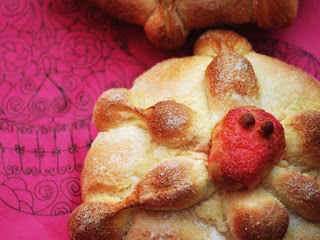
Pan de Muerto (Bread
of the Dead) is ubiquitous on ofrendas and has become popular all over North
America. These sweetish, semi-spherical rolls or loaves are typically decorated with
skulls, bones and the like. Want to create some traditional Day
of the Dead food?
Look here.
 |
| Papel Picado |
Colorful
Papel Picado
(Pecked Paper) represents
wind. You
have probably seen this in a Méxican restaurant or two, but is much more than a
pretty banner. Although these banners are used in other celebrations, for the
Day of the Dead the colors blowing in the wind stand for important cultural
values: orange for mourning, purple for Catholicism, red for warriors and women
who die in childbirth, green for young people, white for little children,
yellow for the elderly and black for death or the underworld. Other times, the
colors are simply the green, white and red of the Méxican flag. As the Papel
Picados flutter in the wind, they send welcomes, hopes, prayers and pride out
into the universe.
Items such as portraits and cups are commonly seen on
ofrendas throughout the region. Others are seldom seen outside of certain parts
of México.
Here is an interesting
list of some of those. But, there are two symbols whose reach extends beyond
the ofrendas, into the graveyards and streets and across North America and
beyond – Marigold flowers and Sugar Skulls:
 |
| Marigold Harvest |
Marigolds (or the Cempasúchil in México) are also known as
Flor de los Muertos (Flower of the Dead). These vibrantly colored, fragrant
flowers have been cherished in México since ancient times. The Aztecs
attributed both mystical and medicinal qualities to this flower and used them in
celebrations of the dead way back then. When the Spaniards arrived in the
1500s, they sent marigold seeds back to Europe with other appropriated goods.
Like many of the other plants they sent from México, marigolds were a hit and
are now a part of cultures far removed from this hemisphere (go
here for a short read on this and some
lovely marigold field pictures). The appeal of marigolds has not abated and
today their strong scent and bright colors are seen as a beacon to guide spirits
home and, because they bloom at this time of year, they are readily available
for every seasonal decoration. These traditional blooms have spawned a million
flower ideas, including the ever-popular paper flowers.
 |
| La Muerta |

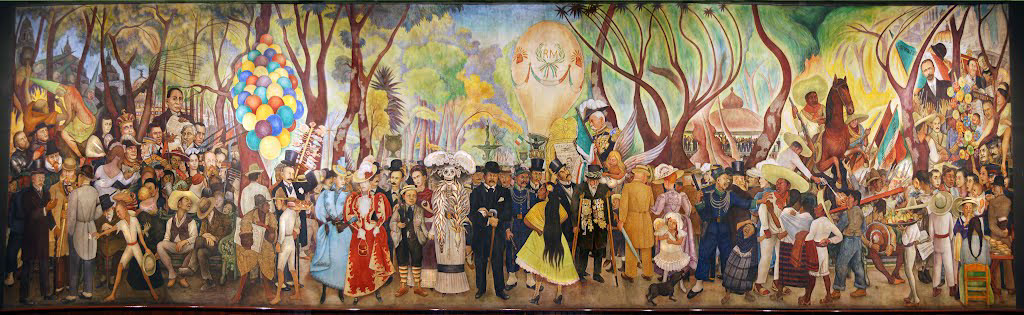
Sugar Skulls are little confections that are traditional gifts for children (living and dead) and their bright, beautiful and whimsical decorations are meant to appeal to the playful nature of children. Like marigolds, they are on ofrendas and everywhere else. Sugar Skulls, along with
La Catrina and her over-sized hat, have spawned endless variations. Here in Tucson, we even have an indoor football team named the
Tucson Sugar Skulls. Full Disclosure: I’m a sucker for a good skeleton design.If you want to try your hand in making some,
here is a
video.

Méxicans are not the only people to believe that the divide
between this world and the next thins out in the next few days,
Celtic peoples thought so 2,000 years ago.
Modern Halloween and the Catholic observance of All Soul’s Day both have roots
in these ancient beliefs. So, take some time over this weekend to remember those you’ve loved and
lost. You never know who may be waiting on the other side to come visit.
Submitted by Pam


 Sugar Skulls are little confections that are traditional gifts for children (living and dead) and their bright, beautiful and whimsical decorations are meant to appeal to the playful nature of children. Like marigolds, they are on ofrendas and everywhere else. Sugar Skulls, along with La Catrina and her over-sized hat, have spawned endless variations. Here in Tucson, we even have an indoor football team named the Tucson Sugar Skulls. Full Disclosure: I’m a sucker for a good skeleton design.If you want to try your hand in making some, here is a
video.
Sugar Skulls are little confections that are traditional gifts for children (living and dead) and their bright, beautiful and whimsical decorations are meant to appeal to the playful nature of children. Like marigolds, they are on ofrendas and everywhere else. Sugar Skulls, along with La Catrina and her over-sized hat, have spawned endless variations. Here in Tucson, we even have an indoor football team named the Tucson Sugar Skulls. Full Disclosure: I’m a sucker for a good skeleton design.If you want to try your hand in making some, here is a
video.