You may think that the worst of your insect worries are gone now that we are heading to winter; I’d like to suggest that you reconsider that notion. Late fall and early winter bring a whole slew of new characters into play and these insect pests can be just as pesky and potentially dangerous as those warm weather bugs. With the extreme weather predicted for much of the US in the next week, the time to address pests is now.
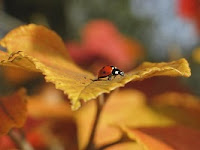
It is very tempting to just pack insect worries away with the swimsuits, but this no-action plan can have some unpleasant consequences. For the most part, insects that are around in the winter are hibernating out of sight and not dead from the cold. Mosquito eggs, for instance,
can survive in frozen water. Granted, there is some cold weather die-off, but many more have found warm havens. Often, they do a little mating while they’re at it, so that they have nice fat bundles of babies when spring arrives. In other words, the numbers that go into a house can be far less than what will come out in the spring. A spring spider infestation could take all the pleasure out of those long-awaited warm days and a bumper crop of blood-suckers can exponentially increase your chances of exposure to dangerous diseases. So, when you batten down your hatches against the weather, take some extra time to be sure that you have kept insect pests out.
 |
| Stink bugs on a pumpkin |
Many participants in the Fall Crawl of insects are brazen return visitors. These include Asian lady beetles (
not to be mistaken with plain old ladybugs),
boxelder beetles and
stink bugs, all of which congregate in swarms on walls and screens of homes and other buildings. If they are in your neighborhood, they are hard to miss. They are also hard to control, especially in the adult stage and in such large numbers. But, Asian lady beetles and stink bugs are invasive species (the boxelder is a homegrown troublemaker), so you will want to stop them if you can. Your best course of action if they are knocking on your door is to not let them in. Whatever you do, don’t attempt to squash your way out of an infestation of Asian lady beetles or stink bugs, both species emit a noxious odor when threatened. Your best weapon in this war is a vacuum cleaner – suck up any and all you can find.
Here are some suggestions on ways you can seal out bugs.

Not all insect pests are as obvious as those mentioned above, many find ways to smuggle themselves into the cozy confines of your home. Before you dig out those boxes of winter clothing, oversized platters for Thanksgiving or trunks of Christmas ornaments, consider what you may be bringing into your home with them. Give everything a quick inspection before moving or relocating it. The following are some useful steps to avoid transporting unwelcome guests:
Store firewood at least three feet from your house. It may mean a chilly wood retrieval trip, but it will deter insects from making that same chilly jaunt into the house. If it’s placed too close to or up against the house, you give burrowing pests a platform to get busy on your brick or woodwork. If you can keep it off the ground, that's even better. It will make the wood less accessible to termites and other soil-dwelling pests. Once you bring the wood inside, use it within 48 hours; storing it any longer can just encourage already-inside pests to set up house.
Pantry pests can arrive to your home in groceries and other packages. During the holidays we bring a lot of this inside. Shake out all bags before storing them or putting them in your trash can. Just as their name indicates, pantry pests can happily live in pantries and other storage. If you head down into the cellar or out to the garage to fetch some of the goodies you put up in the summer, keep an eye out for anything that may be nesting there (or attaching itself to your clothing to get inside).
Here are some products that can help with these type of pests.
Standing water is an insect magnet. Eliminate it inside and out. There does not have to be much for an insect to take an interest – even the condensation from an appliance is enough.
 Recycling and trash bins
 in garages, attached to or too close to the house can also be insect beacons. Move them away from the house and keep them as clean as possible. Ants, especially, can go undetected until they use a scent trail to call in their whole colony. Then you’ve got a fight on your hands.
This is an excellent time of year to
remove debris and cut back branches that make contact with your house. It is an easy insect commute from the branch to the house.
Now, let’s talk Christmas trees: Some people are never-plastic tree people and others are diehard artificialists. If you are still in the middle and insects give you the creeps, you may want to go fake. There are many insects commonly found on and in trees that will dislodge themselves and try to make your nice, warm home
their nice warm home. It is a common practice for the Christmas tree industry to spray highly toxic insecticides (although
many are moving away from this) on their trees, but this spraying takes place in the spring and summer; it is quite possible for insects to find their way back in before Christmas.
Some tree lots have shakers, which aim to dislodge any intruders, but I wouldn’t depend on that too much as many pests will be inside the bark holding on tightly. If you are taking a tree from the forest, you are quite likely bringing home more than memories. A small, live tree that you can easily inspect for pests is the surest way to get an insect-free evergreen. Plus, when you plant it outside after the holiday, you are doing a small favor to the environment.
This article lists some of the more common Christmas tree pests (a tree can have 25,000 bugs!), how to stop them and some preventative measures you can take before bringing the tree in. They recommend Diatomaceous Earth and Neem Oil-based sprays, which we have
here and
here. In some part of the country, there is a real worry that the invasive Spotted Lanternfly may be spread through Christmas trees. Read more about that
here.

There are, of course, mammal pests that wiggle their way into homes. Rodents of all kinds prefer a toasty house to a drafty den. But, if you take the steps to seal and protect your home from insects, you will be doing a great deal to discourage furry intruders as well.
Stay warm and pest free (not counting relatives)!
Submitted by Pam


 Not all insect pests are as obvious as those mentioned above, many find ways to smuggle themselves into the cozy confines of your home. Before you dig out those boxes of winter clothing, oversized platters for Thanksgiving or trunks of Christmas ornaments, consider what you may be bringing into your home with them. Give everything a quick inspection before moving or relocating it. The following are some useful steps to avoid transporting unwelcome guests:
 Recycling and trash bins in garages, attached to or too close to the house can also be insect beacons. Move them away from the house and keep them as clean as possible. Ants, especially, can go undetected until they use a scent trail to call in their whole colony. Then you’ve got a fight on your hands.


