Showing posts with label insects. Show all posts

Monday, October 10, 2022

5 Ghostly Insects


A cartoon of 5 ghosts against a black surface. The one in the middle is saying "Boo!".

I think it’s safe to say that insects are pretty high up on the creepiness scale for most people. And if you delve into their behaviors, the measurement goes even higher. But some are downright ghostly as well. Here are five prime examples:

- PHASMIDS –

A close-up of a phasmid insect's face.
Phasmid Face
Three Phyllium Westwoodii phasmid insects that look like leaves.These insects are from the order Phasmatodea and are commonly known as ghost insects. The Latin root of their name is “phantasma”, meaning an apparition or specter, and is the same root as phantom or phantasm. There are more than 3,000 species of phasmids and they include stick insects, walking sticks, stick-bugs and others of that ilk. So why have these insects been given a name that is so closely aligned with ghosts? It’s due to their incredible camouflage abilities, which phasmids rely on as their primary defense mechanism. At some point, an imaginative scientist decided that their ability to be nearly invisible creates a ghostly presence in the forest. This article has more on these fascinating insects.

- BLUE GHOST FIREFLIES – 

These trails of blue light in a dark forest are blue ghost fireflies.
Every year in late May and early June, in dark and moist forests thick with undergrowth of large rhododendron and mountain laurel, the blue ghost fireflies (Phausis reticulata) make their appearance. Found only in southern Appalachia, and mostly in western North Carolina, these small (about the size of a grain of rice) insects are revealed by their mating ritual in early summer. The males float a foot or two off the ground while emitting a ghostly blue light, which by all accounts is quite the eerie sight. As the males float around, the wingless and larvae-like females settle on a leaf and glow to show their presence while evaluating the passing male light parade. The blue-white color of their glow is unique among fireflies (which usually glow yellowish-green), as is their type of glow. Blue ghost fireflies can emit a bright and steady glow for 30 seconds to a minute, whereas other fireflies blink on and off continuously. The beauty and uniqueness of these creatures have spawned a specialized tourist industry, where locals take the curious to see beautiful and fleeting insects. Read more about these wonderful little wisps of nature here.

- GHOST SPIDERS –

Another view of a ghost spider on a leaf.

Looking down on a garden ghost spider, Hibana gracilis, on a multi-segmented leaf.
Garden Ghost Spider
These small (about ½ inch or so) spiders, from the
Anyphaenidae family, are common in North America. They get their name from their ghostly white coloring and mostly nocturnal activities. To some people they look like little bitty albino wolf spiders, and it’s hard to argue with that observation. Ghost spiders don’t make webs, instead they use their silk to build shelters in out-of-the-way places like between rocks or in woodpiles. From there they rush out (they are very fast) and hunt down prey, which is mostly other insects. As ruthless as these little guys can be with other insects, they are harmless to humans. Due to their illusive nature, ghost spiders have not been extensively studied, so there are still unknown interesting facts to learn about them. One thing, however, is abundantly clear – their eyes form a cute little smiley face on their heads. For more details on these spiders, check out this article.  
- GHOST ANTS –

Close-up of a ghost ant
Ghost Ant Face
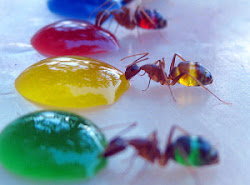
Ghost Ants changing colors as they drink colored liqid.Ghost ants (Tapinoma melanocephalum), sometimes called sugar ants, are an invasive species that has made its way  around the world from their probable-source in Africa or Asia. They are currently enjoying life in Florida and have become one the most common, and most hated, ants there. These tiny ants are less than a quarter-inch in size. They have dark heads, but their legs and abdomen are translucent. So much so, that you can actually see into their bodies and see what they’ve eaten. Scientists and others have had fun feeding these ants differently colored objects and watching how they change color. For instance, here’s a video of them drinking glow in the dark liquid candy. There are even classroom experiments geared to elementary school kids that show how the ants change color (here’s one).  These ants multiply rapidly and are small enough to enter a house or other structure through even the most miniscule of openings. And, because they are so hard to see, they can quickly and easily swarm over something before one is even aware of them. But while ghost ants may be harder to see than other ants, they are not any harder to get rid of.
- WHITE PLUME MOTH –

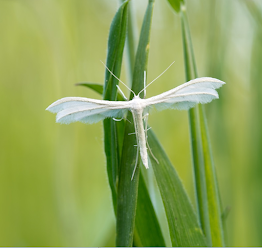
Looking down on a white plume moth as it rests on a leaf.
The white plume moth (Pterophorus pentadactyla) has a wingspan of 1-1/2 inches and is found in many parts of the world, but mostly Europe and North America. These moths have an ethereal quality to them that seems ghostly, which is reinforced by their nocturnal habits. But they could also be on a list of angel-like or fairy-like insects. Their delicate way of flying only reinforces this impression (see one fly here). Plume moths have a unique T-shape and wings that end in feather-like fingers. The stark whiteness of the white plume moth stands out amongst other plume moths, which are generally a brownish color. As pretty as these moths are, they can be plant-damaging in their caterpillar stage. According to this article, they threaten sweet potato crops in Nigeria. 

Buster Keaton being surrounded by colorful ghosts.
Everything is a little extra-ghostly at this time of year, but these insects are this cool all year round.

Take Care 
Submitted by Pam


Monday, June 15, 2020

We All Need A Good Laugh

Dr. Evil and 3 other characters from the Austin Powers movies laughing it up.There is no doubt about it – 2020 has been a nightmare. A global pandemic, civil unrest, economic misery and political disasters have all been on the menu this year. And now, here in Tucson, we are dealing with a massive wildfire in our beloved Santa Catalina Mountains. Sparked by a lightning fire 10 days ago, the Bighorn Fire has been getting worse every day. In started in the Pusch Ridge section and our offices sit right at the base there. For most of last week, we were all mesmerized and horrified as we watched the mountain burn across the street while helicopters, planes, and men on the ground valiantly tried to control it. I have never been so close to such a fire and I do not recommend it for the faint of heart. The fire has now moved a bit away from our offices but has grown to over 20,000 acres and is threatening many homes. At this point in 2020, I am afraid to think, “What can happen next?” In light of all these soul-crushing events, I have decided to try to find some humor to share. It’s all I can think to do and it’s good for us to laugh in the face of pain.

Humor is so subjective – there just isn’t a one-size-fits-all when it comes to funny. So, I am offering a medley of humor to you with the hope that something in here will get that laugh we all so desperately need.
An orange and white cat sitting in a little terracotta pot.For my first offering, I am presenting something that is more “Awwww” than “Hahaha” – cats in pots. I didn’t even know that this is a thing, but apparently it is. It may not be funny for people who are trying to defend their plants from intrusive cats, but I think most people can enjoy the distraction that looking at this ridiculousness provides. Here are some of the best images.

An orange flower on a green background behind the words, "Unemployment is capitalism's way of getting you to plant a garden".
Here at ARBICO, gardening is what we do. Gardeners can be a colorful and diverse lot, from the big-time greenhouse growers with their high-value crops to the family with a backyard plot. But what these people all have in common is their love for and frustrations with growing things. There is a great deal of gardening humor that covers those things and more and if you are a gardener, you should be able to find a laugh in there somewhere. Check out some here.

A cartoon of 4 flies sitting at a table and drinking DDT-2 appear to be knocked out-with the caption, "Of course, that's the problem with the older generation  - they're so intolerant".Another huge part of what we do here is insects – providing beneficial insects as well as providing products that fend off insect pests. Like gardeners, insect people have their own world of humor. Here is a lively Pinterest board with (mostly) insect cartoons. Even academics have tried their hand at curating insect humor.

Homer, Marge, Bart, Lisa and Maggie SimpsonWe’ve all been staying home and TV/screen watching has become a competitive sport instead of a shamefully lazy and couch-potato-ish thing to do. The “what did you do this weekend?” kind of conversation has morphed into the “Did you see the latest episode of…” kind of conversation. If you are feeling down and anxiety-ridden, I’d like to propose less of Game of Thrones-type of violence and betrayal (even though I do love GOT) and more straight-up comedy. But nothing satirical or thought-provoking, just something plain ole silly. Another option is always The Simpsons, which regularly features a blend of the seven deadly sins wrapped in absurdity. Here is a list of one person’s choice for the best comedies on Netflix and here is one that purports to list the best movies of 2020.

A cartoon of 2 people in a kitchen. She is drinking wine from the bottle and he is reading a book. The caption says, " I'm not sure that's what they mean by 'now reduce the wine'".Recently I stumbled across a TV show that really took me out of my doldrums – Amy Schumer Learns to Cook. I think this Food Network show is genius and it makes me burst-laugh and just feel better all around. The premise is that Amy’s husband (a chef) is teaching her to cook. But what they are really doing is showing how silly and messy quarantining with your loved ones can get. This is the antidote to slick cooking shows in gleaming kitchens, here we have dogs underfoot-using your hands-dropping stuff on the floor-while annoying in your spouse cooking. Just like in regular folks’ homes. Oh, and you can watch full episodes on the Food Network site.

If your entertainment choices are more talk-based, you have probably been on the podcast train for a while now. This genre has been a great source for information and mysteries, but there is also a lot of comedy to be found there. So, why not indulge in a little pod-based laughing? Here is a list of some great podcasts that should provide that for you.
A black and white cartoon from the 1920s of 2 women in a boat. The caption reads, "We're really awfully cynical, I guess. We can't help it, dear-it's the Age".

Now let’s go Old School: Reader’s Digest humor. For those boomers out there, this little magazine was ubiquitous in their doctor’s offices and grandmas’ houses. And it was always known for its corny/classic/Dad-type jokes. Well, it’s still around and putting out humor. Here is a list of some of their funniest jokes courtesy of Reader’s Digest Canada.

Another stalwart provider of humor is the New Yorker magazine. They have been lightening the mood since the Roaring ’20s (1925, in fact). As the cartoon to the right shows, a sampling of their cartoons illustrates that, while time may pass, people remain the same and what was once relevant often still is. Here is a selection of their current humor.

A meme of movie star Tom Hardy laughing.I’ll leave you here and encourage you to venture fearlessly into the world of humor. Try something new and perhaps even a little outside your lines. It can make you feel better, if only for a moment.

Submitted by Pam

Friday, November 8, 2019

Winter is Coming – And The Bugs Know It


A low and long white house, lighted from inside. It sits on a hill with storm clouds bearing down. Photo by Dorin Vancea on Unsplash.
You may think that the worst of your insect worries are gone now that we are heading to winter; I’d like to suggest that you reconsider that notion. Late fall and early winter bring a whole slew of new characters into play and these insect pests can be just as pesky and potentially dangerous as those warm weather bugs. With the extreme weather predicted for much of the US in the next week, the time to address pests is now.

A close-up of a ladybug on a yellow autumn leaf.

It is very tempting to just pack insect worries away with the swimsuits, but this no-action plan can have some unpleasant consequences. For the most part, insects that are around in the winter are hibernating out of sight and not dead from the cold. Mosquito eggs, for instance, can survive in frozen water.  Granted, there is some cold weather die-off, but many more have found warm havens. Often, they do a little mating while they’re at it, so that they have nice fat bundles of babies when spring arrives. In other words, the numbers that go into a house can be far less than what will come out in the spring. A spring spider infestation could take all the pleasure out of those long-awaited warm days and a bumper crop of blood-suckers can exponentially increase your chances of exposure to dangerous diseases. So, when you batten down your hatches against the weather, take some extra time to be sure that you have kept insect pests out.

Closeup of many grayish stink bugs on a pumpkin.
Stink bugs on a pumpkin
Many participants in the Fall Crawl of insects are brazen return visitors. These include Asian lady beetles (not to be mistaken with plain old ladybugs), boxelder beetles and stink bugs, all of which congregate in swarms on walls and screens of homes and other buildings. If they are in your neighborhood, they are hard to miss. They are also hard to control, especially in the adult stage and in such large numbers. But, Asian lady beetles and stink bugs are invasive species (the boxelder is a homegrown troublemaker), so you will want to stop them if you can. Your best course of action if they are knocking on your door is to not let them in. Whatever you do, don’t attempt to squash your way out of an infestation of Asian lady beetles or stink bugs, both species emit a noxious odor when threatened. Your best weapon in this war is a vacuum cleaner – suck up any and all you can find. Here are some suggestions on ways you can seal out bugs.

Stacked firework in an black iron frame with a roaring fire in the fireplace in the background-the perfect thing for a chilly November night.Not all insect pests are as obvious as those mentioned above, many find ways to smuggle themselves into the cozy confines of your home. Before you dig out those boxes of winter clothing, oversized platters for Thanksgiving or trunks of Christmas ornaments, consider what you may be bringing into your home with them. Give everything a quick inspection before moving or relocating it. The following are some useful steps to avoid transporting unwelcome guests:

Store firewood at least three feet from your house. It may mean a chilly wood retrieval trip, but it will deter insects from making that same chilly jaunt into the house. If it’s placed too close to or up against the house, you give burrowing pests a platform to get busy on your brick or woodwork. If you can keep it off the ground, that's even better. It will make the wood less accessible to termites and other soil-dwelling pests. Once you bring the wood inside, use it within 48 hours; storing it any longer can just encourage already-inside pests to set up house.

Glass jars with silver lids on gray pantry shelves-no bugs are getting in here.
Pantry pests can arrive to your home in groceries and other packages. During the holidays we bring a lot of this inside. Shake out all bags before storing them or putting them in your trash can. Just as their name indicates, pantry pests can happily live in pantries and other storage. If you head down into the cellar or out to the garage to fetch some of the goodies you put up in the summer, keep an eye out for anything that may be nesting there (or attaching itself to your clothing to get inside). Here are some products that can help with these type of pests.

Standing water is an insect magnet. Eliminate it inside and out. There does not have to be much for an insect to take an interest – even the condensation from an appliance is enough.

A closeup of an antRecycling and trash bins in garages, attached to or too close to the house can also be insect beacons. Move them away from the house and keep them as clean as possible. Ants, especially, can go undetected until they use a scent trail to call in their whole colony. Then you’ve got a fight on your hands.

This is an excellent time of year to remove debris and cut back branches that make contact with your house. It is an easy insect commute from the branch to the house.

Two children and a man dragging a large evergreen tree towards a white house with a red door.
Now, let’s talk Christmas trees: Some people are never-plastic tree people and others are diehard artificialists. If you are still in the middle and insects give you the creeps, you may want to go fake. There are many insects commonly found on and in trees that will dislodge themselves and try to make your nice, warm home their nice warm home. It is a common practice for the Christmas tree industry to spray highly toxic insecticides (although many are moving away from this) on their trees, but this spraying takes place in the spring and summer; it is quite possible for insects to find their way back in before Christmas. Some tree lots have shakers, which aim to dislodge any intruders, but I wouldn’t depend on that too much as many pests will be inside the bark holding on tightly. If you are taking a tree from the forest, you are quite likely bringing home more than memories. A small, live tree that you can easily inspect for pests is the surest way to get an insect-free evergreen. Plus, when you plant it outside after the holiday, you are doing a small favor to the environment. This article lists some of the more common Christmas tree pests (a tree can have 25,000 bugs!), how to stop them and some preventative measures you can take before bringing the tree in. They recommend Diatomaceous Earth and Neem Oil-based sprays, which we have here and here. In some part of the country, there is a real worry that the invasive Spotted Lanternfly may be spread through Christmas trees. Read more about that here.
A cartoon of red ants carrying green leaves walking along a branch. There is a black spider under the branch and a bright yellow background.
There are, of course, mammal pests that wiggle their way into homes. Rodents of all kinds prefer a toasty house to a drafty den. But, if you take the steps to seal and protect your home from insects, you will be doing a great deal to discourage furry intruders as well.

Stay warm and pest free (not counting relatives)!

Submitted by Pam


Friday, October 25, 2019

10 Halloween-Worthy Insect Names

A cartoon of a black insect with red eyes
As anyone who has ever taken even a cursory look at insects knows, many of them live quite gruesome lives. They are the terrors of the micro world they live in. Sometimes their behaviors are reflected in the common names given them, other times relatively benign insects are saddled with frightening names and still others have hideous names whose origins are not at all clear. Many of these names are regionally specific as well. Let’s look out some of these fiendish sounding creatures:

1) Assassin Bugs (Zelus renardii) – We sell oodles of these all day on our site. Their aggressive homicidal tendencies make them especially effective predators for many soft-bodied insect pests. For more about them, check out their page here.

A large black bug with its hind end raised. Known as the Coffin Cutter (Ocypus olens) .
Coffin Cutter
2) Coffin Cutter (Ocypus olens) – This decidedly cemetery-ish name is just one of the many sinister names that this Rove beetle goes by. It’s most commonly known as the Devil’s Coach Horse, but its AKAs also include Devil’s Coach Whip, Devil’s Footman and Devil’s Coachman. It doesn’t sting, but can deliver a hard bite with its large pincers. It also lift its tail up like a scorpion and spews a foul-smelling liquid from its abdomen when threatened. I found a neat little limerick about this bug by Janet MacConnaughey: 
      Satan's horses, no rinky-dink ginks,
     Are huge bugs, glossed with devilish inks.
     Devil's coach-horses (grubbers
    And hunters); and lubber
    (His horses) can also spew stinks.

A furry red and black bug on a log.Cow Killer (Dasymutilla occidentalis) .
Cow Killer
3) Cow Killer (Dasymutilla occidentalis) - AKA: Velvet Ant. Both of these names are misleading. They do not really kill cows and they are not really ants. Instead, they are wasps with a sting that feels (to those unfortunates that have felt it) powerful enough to kill a cow. The female has the stinger and stays on the ground, while the male has wings but no stinger (doubtless a good thing). These furry, red and black bugs pose no real threat to humans, unless you interfere with a female as she scrambles around searching for a place to lay her eggs. In which case, you probably deserve it. For more on this wasp that parasitizes bees and other wasps, go here. If you want to see someone foolishly subjecting himself to a sting, here’s one for you.
A black and beige moth with markings that look like a skull on the back of its head.Death’s Head Moth (Acherontia spp)
Death's Head Moth

4) Death’s Head Moth (Acherontia spp) - AKA: Hawk Moth, Death Moth. Many people are familiar with this moth; it played a role in the movie Silence of the Lambs. Apparently this formidable-looking creature loves honey and has a sweet little squeaky voice (something like if a cross between a rabbit and a cicada). Having a voice is fairly uncommon in moths, enough so that scientists have been studying it. 

A close up of a gold, black and white dragonfly perched on a stick.
Ear Cutter
5) Ear Cutter – Dragonfly – AKA: Ear Sewer, Ear Needle, Devil’s Dragon, Horse Stinger, Mule Killer, Bee Butcher. According to this article, these are just some of the regional names used for dragonflies in the US. The myths surrounding dragonflies are much more extensive, and darker, than I ever knew.

A green and yellow cateptillar with red and black horns and many black spikes. It is hanging upside down on a plant stemHickory Horned Devil (Citheronia regalis) caterpillar .
Hickory Horned Devil
6) Hickory Horned Devil (Citheronia regalis) – There’s no mystery about the nickname here – these big (they can get hot dog-sized), fat caterpillars have giant horns on their heads and spikes all over their bodies. They live short-lived lives from late July to mid August in the southern and southeastern US. After that they become Regal (AKA Royal Walnut) moths.

7) Stump Stabber (Megarhyssa macrurus) –AKA: Giant Ichneumon Wasp. Though small (about 2” long) the females of this parasitoid wasp species have the longest known ovipositors at twice the length of their bodies. Although they look like scary stingers, they are for depositing eggs – oh, and drilling. These wasps seek out insect hosts under the wood of stumps and trees and, once she finds the right one, she drills a hole down to them and lays her eggs in their nest. Here are some great pictures and even a video of her in action. I guess the male Stump Stabbers just go by Mr. Stump Stabber.
A close-up of the front of a yellow and black bug floating in water. It is holding part of a fish.Toe Biters (Lethocerus americanus) 
Toe Biter with prey

8) Toe Biters (Lethocerus americanus) - AKA:  Giant Water Bug, Indian Toe Biters, Alligator  Ticks. These large (up to 2½”) beetles are native to North America and are very common in both manmade and natural bodies of water. Watch out for them in the shallows - when disturbed, they do bite. Toes are usually the victims of these bites as people step on or near enough to them. Although the bite will not cause lasting damage, it does produce burning pain, swelling and even skin discoloration. If you want to see the same guy that was willing to take a Cow Killer sting getting bit by a Toe Biter, check him out here.

9) Vampire Moth (genus Calyptra) – If, when you think of moths you think of delicate little things fluttering helplessly around your porch light, you may want to reconsider your thinking. Because there really are moths that are vampires - yes, some moths actually pierce the skin of verterbrates (including humans) and lap up the blood. Scientists are still determining just how many of the 17 species in this genus are blood-eaters (so far it’s 8-10), but since only two species are here in the US, you probably don’t have to worry about them. But, you never know…Here’s more on them and here’s a video of the little blood lovers.

A long gold and black bug,Witch’s Horse (Anisomorpha ferruginea)10) Witch’s Horse (Anisomorpha spp) – AKA: Devil’s Riding Horse, Devil’s Darning Needle, Spitting Devil. These bugs are North American members of the extensive stick insect family. During mating, the males can be seen “riding” on the backs of the females, which may explain some of the
horse references. But, the Spitting Devil moniker is more accurate. These guys emit well-aimed sprays of a noxious-smelling, burning liquid as a self-defense mechanism and they aren’t hesitant to shoot. A direct hit to the eye can cause serious damage and the fumes alone have respiratory effects. It’s best to let these horses pass unhindered.

A black and white clip of people running from a giant spider as it comes down the road. From a late 1950s era horror movie.
Ahhh, the insect world! A haven for the macabre, full of endless stories of blood lust, zombies and creative ways to feed on other beings. And also cute little guys who only want to eat some leaves before they get eaten.

Submitted by Pam

Friday, May 17, 2019

Dragons Live Among Us

Since I work in an insect-centric business, I decided to look at dragon insects in honor of the last episode of Game of Thrones (yes, I’m one of “those” people). Dragons are most closely associated with reptiles and there are many of those that look like dragons. There are also many sea creatures that are dragon-like. Not to mention real life flying dragons, like in this video. In the insect realm, there are some insects that have latched onto the dragon name for one reason or another, even though they don’t really resemble dragons much. Let's take a look at some of these:
Close-up of a beautiful yellow-orange dragonfly. Photo by James Wainscott on Unsplash.
Dragonflies – These are the creatures that first come to mind when thinking “dragons + insects”. There are 5,000 species of these fascinating flying insects and it seems that each one must be vying with the next to be the most beautiful. Here are some top contenders for that title. As lovely as they are, dragonflies are deadly predators who devour fellow insects. But how did they come to be called dragonflies? Interestingly enough, the name comes from folklore, although their homicidal inclinations may be what made the name stick. If you are interested in seeing an award-winning video of the dragonfly world, check it out here. The super-macro photography is simply amazing!

A brown and grey moth on a white background - the Spotted Apatelodes Moth (Apatelodes torrefacta)
Apatelodes torrefacta
Dragon Moths – This interesting guy is the Spotted Apatelodes (Apatelodes torrefacta), a native of the east coast of North America. These are not an energetic moths; it is common for them to stay motionless for many hours at a time. Here is a video that really shows why people call them Dragon Moths – fair warning, though:  it’s not doing anything. An interesting side note on this insect is that, for a short time, there was an airplane named after it.


Dragonhead Caterpillar – Now we get to an insect that actually has dragon features,specifically armored heads with multiple pointy horns and spines down the length of the body. At least, those are the basic ornamentations in this group of caterpillars, as each of the 400 different species in this group has its own spin on the dragon look. Some have Darth Vader-type black helmets and some look like fuzzy Gummi worms. Dragonhead caterpillars are found across the world in tropical and temperate environments and their looks are as varied as their environments. Check out a cool one trucking along here.

A black and white butterfly on a daisy - the White Dragonfly butterfly (Lamproptera curius)
Lamproptera curius
Dragontail Butterfly – As the name indicates, these butterflies have long and flowing tails like one would might see on a dragon. These beauties are common throughout most of Asia; but, unfortunately the White Dragontail Butterfly is defined as vulnerable and in need of protection in Pennisular Malayia. Here is a video that show how beautifully their spectacular tails move.


Close up of a golden colored ant - the The Pheidole viserion ant
Pheidole viserion

Dragon Ants – A few years back, scientists discovered two new ant species in New Guinea. While this may not be terribly surprising given the teeming cauldron of biodiversity that New Guinea is, these particular ants have a very unique appearance. Their very large heads are not unusual amongst ants, but their curve, hooked spiky armor along their bodies is. Apparently the scientists who got to name them are Games of Thrones nerds, because somewhere along in the naming process they decided that the ants look like Khaleesi’s dragons. So they became Pheidole drogon and Pheidole viserion. You can learn more about them and watch a virtual dissection here.

Closeup of three scarab beetles - Gymnetis drogoni, Gymnetis rhaegali and Gymnetis viserioni scarab beetles  
From left: Gymnetis drogoni, Gymnetis rhaegali and Gymnetis viserioni 
Dragon Scarabs – An entomologist from the University of Nebraska – Lincoln, Brett Ratcliffe, recently named some of his latest scarab beetle discoveries after the Game of Thrones dragons. Drogon became Gymnetis drogoni, Rhaegal became Gymnetis rhaegali and Viserion became Gymnetis viserion. Dr. Ratcliffe is an  admitted GOT fan, but his main reasoning for the names was to ride in on the pop culture wave and bring attention to the wondrous diversity in nature.The tactic is thoroughly effective; I did not know before I read about this that one in four living things on Earth is a beetle. Kudos to you, Dr. Ratcliffe!

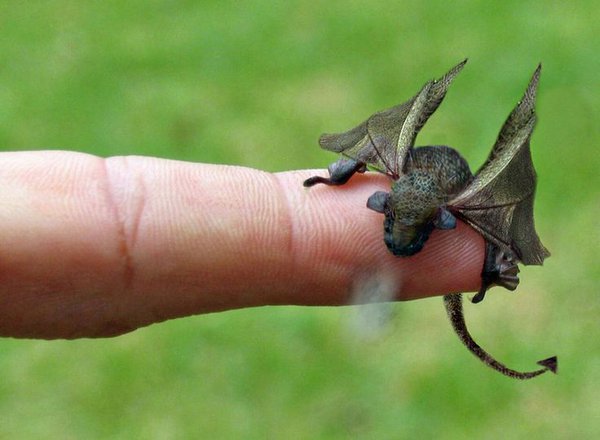
Closeup of a black baby dragon on a fingertip - really ral
Nope, not really real...
Game of Thrones is not the only dragon franchise that is everywhere these days. A much-loved child in my life is and has been obsessed with the colorful creatures in the How To Train Your Dragon trilogy. So, it’s been all dragons all the time around me lately. Nevertheless, I draw the line at disturbing baby dragon dolls (which you can get for the rock bottom price of $1,334.42) and I’m not buying that this is real, either. But, like all true Game of Thrones fans, I have cleared my calendar for Sunday night and am hoping that at least one dragon survives.


Submitted by Pam

Friday, April 26, 2019

Protecting Your Pets From Summer’s Flying, Biting Insects

Brown dog with his muzzle under his front paw lying in green grass. Photo by Lucie Hosova on UnsplashIn recent weeks, I have written about how to create an enjoyable outdoor space and how to plant to attract pollinators, now it’s time to take our animal companions into consideration. You can have a beautiful yard and a pollinator-friendly garden, but none of it can be properly enjoyed if mosquitoes and flies are making themselves at home there. And if insects are making you uncomfortable, your pets are also miserable out there.

Closeup of a white alpaca looking into the camera with another behind it. Photo by Grep Lippert on UnsplashAs we move into summer (some of us already there – it will be 98°F here today), biting insects are coming out. Mosquitoes and flies are annoying pests that go beyond merely being pesky into being hazardous to health and even, in some cases, deadly. Mosquitos are especially dangerous to humans; in fact, they are considered the world’s deadliest animal. You can combine deaths by lions, sharks, snakes, wolves, crocodiles, bears, tigers and humans and not even come close to the number of people killed by mosquitoes. It is not the insect itself that kills, but the diseases that it carries. Many of these mosquito-borne diseases can have calamitous effects on our dogs, horses and other warm-blooded pets.

Closeup of a brown mosquito on a blue background. Photo by Ekamelev on UnsplashFlies are especially troublesome to pet owners. They are drawn to the animals manure and bodily fluids. Since our pets don’t have hands to swat them away, the poor creatures suffer greatly from flies. Not only are they on the high end of the annoying spectrum, they also carry a myriad of devastating diseases. All of the many fly species have the capability of transmitting diseases, with some of these affecting humans and other directly aimed at other animals. By some accounts, house flies are credited with transmitting at least 65 diseases to humans.

Now that I’ve provided the gloom and doom, I’d like to offer some effective solutions to the problem bugs of summer. ARBICO Organics offers a carefully curated selection of products that can be used in, around and on your pets and yard to keep mosquitoes and flies away. If you have horses or livestock, we have you covered there as well. Luckily, much of what you can do to keep biting insects away from your animals will work to keep them from the people in the family as well.


A blue-tinged picture of a little girl in a white dress lying across the back of a white horsePhoto by Mean Shadows on Unsplash.Repellents, beneficial insects, traps and insecticides all have their place in keeping your garden pet-pest free, but there are other steps you can take to discourage pest insects from coming over to begin with:

Management, management, management: Since mosquitoes breed in standing water (in as little as a bottle cap, see how that works here) and most of the flies you are troubled by breed in manure, it is important to keep things emptied out and cleaned up. Trash, junk piles, tires, flower pots, gutters, lawn ornaments and toys in the yard– all are able to host a mosquito nursery. Walk around, pick things up or turn them over. Responsible animal owners understand manure management and daily pickup may not be feasible, but it bears noting that the cleaner you keep it, the better.

Clip it, cut it, groom it down: While pollinators like tall grass, shrubbery and other “wild” spaces to gather, unfortunately, so do pest insects. There is no right answer on this; you will simply have to decide which insect is your priority. A possible solution would be to groom the areas where you usually gather and create an unkempt area on the opposite end of your space.

Many cats lying on the ground beside a row of catnip plants.
Let's plant catnip, what could happen?
Cool it down: Mosquitoes and flies are disrupted by fan-blown air. Not only does it break up the scent trails they use to get to us, it makes it more difficult for them to fly. If you have a way to hang it, put a fan up over your patio. Or a simply set an oscillating fan where it will hit you. And either option works well in stables or barns.

Plant enemies of mosquitoes: The effort to reduce mosquito numbers can begin as simply as adding plants that repel mosquitoes to your garden. Many of these same plants also repel flies. Repellent plants include Eucalyptus, Marigolds, Basil, Catnip, Lavender, Peppermint, Citronella, Lemon Balm, Rosemary and Pennyroyal. Some of these plants serve a double duty as delicious additions to your table, so planting them is a definite win-win. Scientific studies have shown Catnip to be 10 times as effective as DEET in repelling mosquitoes. Of course, you may have to deal with additional cats in your yard.

Lights out: Many, if not most, insects are drawn to light. But not all light is equal to them. Fluorescent lights are less attractive than incandescent. So, keep lights off near or in kennels, barns or stables. Or light up an area with incandescent light that is far away from you and your animals.

Closeup picture of a zebras rear end. Photo by Karim Manjra on UnsplashZebra camouflage:  Recent research has concluded that a zebra’s signature black and white stripes are actually an evolutionary adaptation to keep flies off them. The stripes mess with the fly’s vison and interrupt their ability to land. Apparently, this also works if you put a horse in a black and white coat. You can buy these here, along with fashionable zebra accessories. So, although your horse may feel like a fool in his new suit, he will have fewer flies bothering him.

None of these pest control suggestions will work if you have neighbors who do not have the same commitment to the fight as you do. The best solution to that problem is to befriend (or stay friendly to) them and encourage a dialogue around working together on this. Lend a hand to fix the problem; not only can you feel good about that, your own problem will be reduced. And that is all just good karma.

Submitted by Pam

Tuesday, April 9, 2019

Pyrethrins, Pollinators and other Beneficials

Close up of a purple flower with the sun in the background and a bee approaching. Photo by Simon Matzinger on Unsplash.
When there is an infestation in a garden, often the first thing a person does is reach for the insecticide. While this is a totally understandable reaction, that insecticide will not differentiate between pest insects and beneficial ones. Not to mention the extremely important pollinators. In order to maintain a healthy ecosystem in a garden, there needs to be insects doing their jobs, so spraying insecticides needs to be
done cautiously.

Pyrethrin insecticides offer a reasonable solution for the environmentally conscious gardener. Derived from Chrysanthemum cinerarifolium (a flower genus that includes both the Chrysanthemum and the Daisy), these extracts have been used since ancient times to fight insect pests on both people and plants. Pyrethrin insecticides have been around for so long because they work so well. But, before you spray this power to kill should be taken into consideration.


Close up of a black and red wasp on a yellow flower. Photo by Krzysztof Niewolny on UnsplashFor the purposes of this blog, I am going to focus on bees. Although Honey Bees are the number one pollinator in the world and their existence is currently threatened, they are by no means the only pollinators. However, the efforts one can take to reduce harm to bees will also work to protect beneficial insects, other pollinating insects and even non-insect pollinators.

The dangers to bees from pyrethrins are the same as the danger from any other insecticide, but pyrethrins do not persist in the environment as other more toxic insecticides will. They will, instead, break down rapidly, especially when exposed to natural sunlight. This makes them by far the superior choice for putting in your garden or grow.

Close-up of a bee on white, pink and yellow flowers. Photo by Janosch Digglemann on UnsplashBee deaths from insecticides come from a combination of events; a perfect storm of pollinator danger. Most fatalities happen when pesticides are applied to flowering crops and then allowed to drift at a time when bees are actively foraging. To address and lessen these hazards, we can break them down to several things you should be aware of: temperature, drift/distance from treated area and timing of application.

Temperature: Bees forage only in sunlight and love high temperatures, so they are out and about on bright summer days. Additionally, sprays are more likely to vaporize under high temp and this vapor can be an even greater threat than the spray itself. Which means you should only apply insecticides in the late evening or night. Early morning applications can be done as long as you are sure that the insecticide will have dried before bees can get to it.

Drift/Distance from treated area:  
Pesticide drift is caused by multiple factors: weather, application method, equipment settings and spray formulation. Often, spraying will occur on flowering crops like fruits and vegetables and drift onto flowering plants like weeds and wildflowers, effectively stopping insect activities in both areas.

Close-up of a dandelion blowing in the wind in silhouette against an orange sky. Photo by Dawid Zawila on Unsplash Insecticides applied in one area can affect insects and wildlife more than a mile away. Create a buffer zone around your spray area. Most bees forage 1-2 miles from their hive, but can travel much farther; so the larger the buffer the better.

Be aware of the weather when you spray. Even light wind can enable drift and low humidity with high temperatures are optimal conditions for drift. Conversely, moderate temperatures with some humidity decrease the potential for drift.

Carefully calibrate your equipment (smaller droplets drift more) and avoid aerial applications and mist blowers.

Close-up of a bee on a long-stemmed white flower. Photo by William Warby on UnsplashHere are some more tips to manage your drift.

Timing of application: If possible, never apply pesticides to flowering plants. Insect control should take place either before or after flowering. If application is unavoidable, a pesticide with a short residual rate (pyrethrins are perfect!) can be applied in the evening when temperatures are under 60 degrees.

Here are a few other things to bear in mind before applying a pyrethrin (or any other) insecticide:

Before spraying, remove any flowering weeds around the area you will be spraying. This will reduce the temptation for pollinators and help form your buffer zone.

Avoid spraying any favorites of pollinators.

If possible, use pyrethrin insecticides in liquid formulations. Products with dusts or granules can easily stick to bee’s hairs and be taken back to the hive and cause damage there.

Always read the manufacturer’s label and apply insecticide at the minimum recommended rate. Never exceed the recommended amount.

If you would like more information on how to look out for pollinators, I highly recommend you check out the Xerces Society. They have been in the forefront of invertebrate conservation since 1971 and really know their stuff.
MGK logo


Looking for an effective, organic garden pest control spray? Check out the great organic pyrethrin-based liquid insecticides from our partner MGK Gardening - a proud producer of botanical pest control solutions for 100 years!


Submitted by Pam

Featured Post

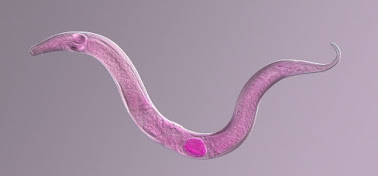
5 Cool Things About Nematodes

It’s September, and here at ARBICO, it’s Beneficial Nematode season. Every year we put our Beneficial Nematodes on sale at this time to enc...