No matter where you stand in the climate change conversation, it is undeniably HOT out there these days – outrageously, hellishly, suffocatingly hot!
200 million Americans are currently experiencing record-breaking heat, with many places expected to reach temperatures higher than those we’ll have here in Arizona. And don’t give me the “it’s a dry heat” refrain, an oven is also a dry heat. I have lived in places with high humidity and know how debilitating it can be and most of the places dealing with this heat wave will also have that humidity. The combination of heat and humidity is just plain miserable.
 |
| Never touch metal that's been in direct sunlight. |
We Arizonans take pride in our ability to muddle through our summers. Most of us accept the heat as payment for having such mild winters. There are many strategies to get through, but when asked how one copes, my favorite response is “
Live like a desert creature”. Simply put, avoid the sun at all costs, don’t over exert yourself and drink plenty of water. Seeking shade is a competitive sport around here in the hottest months; I’ve seen groups of people clumped together under the thin strip of shade a telephone pole offers.Even
local reptiles know this game. Having said all that, many (probably most) Arizonans, myself included, are lucky enough to travel from air-conditioned homes in our air-conditioned cars to other air-conditioned locations. But, getting to that car in the parking lot and getting it cooled down can be pretty gnarly!
 |
| "Facekinis" in China - not creepy at all. |
People can wear lighter clothing (or add questionable sun protection like the image on the left) and adjust their routines in answer to excessive heat, but what is a plant to do? The higher the temperatures, the more need for water; finding ways to stretch your water is key. In Arizona,
Xeriscaping has long been a widely appreciated model for growing. With its emphasis on water conservation, mulching and using heat tolerant plants, it is an ideal solution for areas like ours that experience heat and drought.The elimination or reduction of turf is also a key factor in Xeriscapes. Many people around the country still love their lawns, but in cities like ours where water is at a premium they have become less socially acceptable. I encourage every reader to reconsider their lawn and either eliminate or reduce them; it is a small but important way to serve the environment.
 |
| Backyard Xeriscape, Tucson, AZ |
Adopting a Xeriscape approach to landscapes and gardening takes some planning ahead. This works well in Arizona because we always know it will be hot and dry. With current climate conditions being what they are, excessive heat and/or drought is a reality now for non-desert parts of our nation and, if you want to grow something, planning ahead is for everyone. Here are some ways you can build a heat tolerant green space; some take planning, but others offer heat help right away:
Soil Amendments – Building a soil that holds and properly distributes water and water-borne nutrients to plants is a solid foundation that gives plants the tools to fight the heat. You can chose something like
Earthshine, a soil enhancer mix that contains
biochar and other beneficial additives. Or a powder
like Harvest Gold Organics Premium Soil Conditioner, which contains silica and micronutrients. Or even a single ingredient additive like the
Elemite, also known as
ARBICO Organics™ Soil Replenish™. Another (very affordable!) option is
ARBICO Organics™ Rice Hulls. The bottom line is that any type of high quality soil amendment will bring you healthier soil, which means healthier plants that can better handle heat and drought stressors.
 Composting & Mulching
 – You can increase your soil’s water holding capacity by up to 7 times by simply adding compost. You can use ready-to-go compost or begin making your own; we have options for you
here. Mulch,
mulch, mulch – in any form, by any name, just do it! Mulching options are many: coco coir like
Prococo Coconut Coir,
and other
cover crops and biodegradable
weed block paper, which provides weed control as well as mulch. Another interesting option is
Slug Gone. This sustainable slug (and snail) control product is made from wool and is placed in and around garden beds. It will swell from the moisture and make a scratchy mat that slugs will refuse to cross. In performing its slug control duty, it also retains moisture and reduces water usage.
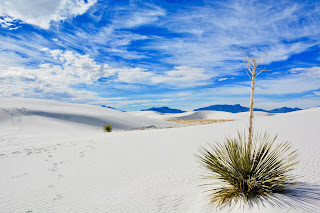 |
| Yucca in its native environment |
Adjuvants – Another way to protect plants from heat stressors is to add adjuvants to their water. Yucca (
Yucca schidigera) is a desert native and knows all the tricks to survive in such a harsh environment. Adjuvants like
RAW Yucca Flow and
Therm X-70 that use extracts from these plants deliver the secrets of the Yucca plant to your backyard. You can give your plants immediate heat relief by adding these adjuvants right away.
Covers – Use covers to protect your plants from the pounding sun.
Here are many versions to choose from, or create your own.
Here is a video to show you how.
Containers – Consider moving plants from beds to containers.
Container planting makes water conservation easier and gives you the ability to move plants in and out of the sun.
 Embrace heat-loving plants
 – Seek out and cultivate plants that are well adapted to hot weather. Here are some great heat-friendly plants that you are probably familiar with:
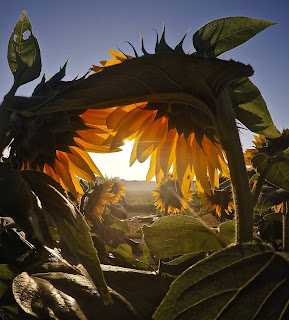
Sunflowers – with a name like that…
Amaranth - pretty – and you can eat it!
Echinacea – beloved by pollinators –
Yarrow - native to temperate North America
 |
| Yarrow blooms |
Unless you live in the far northern regions of our country, you may be surprised to find there are native summer species waiting to be loved. Here in the Tucson, we have a fabulous source for desert-adapted native and heirloom plants thanks to
Native Seeds/SEARCH. They have a remarkable variety of interesting seeds and stories that go with them.
Stay cool out there.
Submitted by Pam

 Last Thursday Americans celebrated Thanksgiving, which is meant to be a day of gratitude. (Okay, you don’t have to be grateful for mean old Uncle Cyrus). But, as we were celebrating, I believe it is safe to say that very few people thought to be thankful for the ground they were standing on. Or for the soil that produced their annual feast. World Soil Day hopes to change that by building awareness of the precarious position of our soil in the world today.


 Addressing soil health is often done best right from home. Here at ARBICO, we have been singing the healthy soil song for decades. We have gathered a great many excellent products that anyone can use in their yard or garden to encourage strong soil that’s rich in microbial life. You could begin with a mineral (or more than one) like Soil Replenish (Elemite), Andesite, Glacial Rock Dust or Harvest Gold Premium Soil Conditioner (Silica). To add nutrients and jump-start your soil biology, you can add items such as Fulzyme SP, Earth Alive Soil Activator, and Neptune’s Harvest Humate Concentrate. Or you could go the one-stop-shop route and get our Healthy Soil Recipe or John & Bob’s Clay & Hard Soil Kit (excellent for Arizonans). These are just a brief sampling of what we have to offer in the soil building arena, there is much more in our Soil Amendments, Micronutrients & Biostimulants category..