Showing posts with label mulch. Show all posts

Friday, November 18, 2022

It's Time To Winterize Your Plants

Close-up of a frost bubble on a plant stem.
At this time of year the weather in North America is wildly variable. As I write this, there are parts that are getting blasted by a winter storm and where I sit in Southern Arizona the weather is sunny and in the 70s. Not matter where you are sitting, it is time to get your plants winterized so they have the best chance to make it through to spring. Some of the following pointers may not pertain to your locale but others will, so take a moment to double-check your preparations.

CLEAN UP & REMOVAL

A rake laid down on a pile of leaves.
After a busy growing season, you will need to tidy things up in the fall. Now is the time to pull weeds, remove annuals and trim down perennials. Be sure to avoid cross-contamination and carefully dispose of any cuttings that may be harboring insects or diseases. Having said that, if your cuttings are clean it is best to leave some where they lie. A carpet of plant material offers insulation to plant and tree roots, provides shelter for bees and other desirable insects, and is the basis for rich soil in the spring.

A brown, black and white cat snuggled in a nest of fallen leaves. Photo by Milica Spasojevic on Unsplash.

A word about leaves:

Leaves will provide all of the above advantages and should not be removed completely. Just be sure to keep them away from the house. Undesirable insects can hide in leaf litter and migrate into the comfy warmth of your home once they get cold, but most can’t travel very far. Also, when considering your leaves please remember that they are 100% biodegradable and naturally a part of the season-change process, and that plastic is killing our planet. Please consider this thoroughly before raking up leaves and putting them in plastic bags to send to the dump.

MULCH

A woman in a coat and hat pushing a wheelbarrow full of yard debris toward a garden bed.
Mulch, whether commercially produced or made with your leaf litter and other materials, is an essential step in getting your plants through winter. It should be placed around plants, trees and shrubs. Be generous with it – you’ll want at least a 3-5 inch layer; and more if you live in cold country. Adding leaves, hay, straw, cornstalks and other no-compacting materials will create a more robust mulch. Save some mulch to add to your hibernating flower beds and gardens; extra organic matter in them now will pay off later.

CLOCHES

Plastic bottles with their bottoms cut off used as cloches in a garden.
If you are worried about a sudden frost and/or have smallish plants in the ground to protect, consider the simple cloche. A cloche is a usually bell-shaped cover made of glass or plastic that you can plop over your plant. Cover the plant before nightfall and remove the cloche the next day so they utilize the sun. You can purchase cloches, but there are any number of items around your house that can be repurposed. Cloches are not a solution in super-cold regimes with hard frosts.
TREES
A view up the trunk to its canopy. It is wrapped a multi-colored knitted scarf-type thing.

Trees take the first step in getting ready for winter by dropping their leaves. But we humans can take
further steps to help them get to spring. At this point in the season, a good tree wrap or frost protection bag can do a great deal to help a tree – they can temper the harsh environmental factors of winter, discourage nibbling mammals, and are an excellent barrier insect control (here are some wraps that ARBICO offers). Sunscald (caused by warm daytime temperatures that drop way down after dark), winter burn (caused by water loss through foliage) and damage caused by snow, ice and animals are all serious threats to tree health. This article gives some succinct and helpful steps to take to reduce the risk from these factors. For more on how winter affects tree, here is my blog on just that from December 2020. 

CONTAINER PLANTS

Three terracotta planters full of snow with green stems poking through the snow.
Because the sides of a pot are exposed to the elements, container plants are very vulnerable and often not able to survive the winter. If possible, bring them inside to an area that gets sufficient sunlight. Before you bring in any plant from the outside, be certain it is insect-free so that you are not introducing problem into your home. If you have large containers that cannot be moved, your best bet is to bundle them up by wrapping layers around them. This could be anything from burlap to fabric to even bubble wrap (the air in the bubbles makes a surprisingly good insulator). Another option is to remove the plant and either replant it inside or put it in a spacious container where the soil around it can act as an insulant. You may want to hedge your bets and still wrap this larger container. 

TROPICALS & HOUSEPLANTS 

A frosty view from outside a greenhouse looking in. You can see the tropical plants inside.
Many of the houseplants that people love are native to tropical environments. This is also true of many of the popular plants and grasses used in landscaping and patio décor. All of which means that they will not survive outside in the cold. When used in outdoor settings, these types of plants should be considered as annuals. If you are not okay with having them die or having to replace them, it is probably best to not use them in the first place. Re-locating them inside may work in some instances, but you will need to provide a place that gets lots of sunlight all year round and has a stable temperature. This can be problematic since the level of sunlight goes down in the winter and the temperature inside a winter home can be all over the place. These caveats for tropical plant care extend to houseplants, as most of them are tropical as well. To further understand the particular winter needs of plants inside homes in the winter, please refer to my blog on the subject here

A purple tube blowing a bubble that quickly turns to frost.
You should keep watering your plants as usual right up until you get a hard frost. The same can be said for most garden chores. And when you get your first snow, your well-tended garden will have a strong chance of coasting through it all (read more here).

Take Care

Submitted by Pam


Friday, July 19, 2019

Man, It’s Stupid Hot Out There!

Silhouettes of high-rises against an yellow, orange and red sky with a big, white sphere
No matter where you stand in the climate change conversation, it is undeniably HOT out there these days – outrageously, hellishly, suffocatingly hot! 200 million Americans are currently experiencing record-breaking heat, with many places expected to reach temperatures higher than those we’ll have here in Arizona. And don’t give me the “it’s a dry heat” refrain, an oven is also a dry heat. I have lived in places with high humidity and know how debilitating it can be and most of the places dealing with this heat wave will also have that humidity. The combination of heat and humidity is just plain miserable.

Moving image of a side view of a woman on pulling on a fence. Both are on fire.
Never touch metal that's been in direct sunlight.

We Arizonans take pride in our ability to muddle through our summers. Most of us accept the heat as payment for having such mild winters. There are many strategies to get through, but when asked how one copes, my favorite response is “Live like a desert creature”. Simply put, avoid the sun at all costs, don’t over exert yourself and drink plenty of water. Seeking shade is a competitive sport around here in the hottest months; I’ve seen groups of people clumped together under the thin strip of shade a telephone pole offers.Even local reptiles know this game. Having said all that, many (probably most) Arizonans, myself included, are lucky enough to travel from air-conditioned homes in our air-conditioned cars to other air-conditioned locations. But, getting to that car in the parking lot and getting it cooled down can be pretty gnarly!

Three people in the water wearing masks that cover their whole faces and suits that completely cover their bodies. 
"Facekinis" in China - not creepy at all. 
People can wear lighter clothing (or add questionable sun protection like the image on the left) and adjust their routines in answer to excessive heat, but what is a  plant to do? The higher the temperatures, the more need for water; finding ways to stretch your water is key. In Arizona, Xeriscaping has long been a widely appreciated model for growing. With its emphasis   on water conservation, mulching and using heat   tolerant plants, it is an ideal solution for areas like   ours that experience heat and drought.The elimination or reduction of turf is also a key factor in Xeriscapes. Many people around the country still love their lawns, but in cities like ours where water is at a premium they have become less socially acceptable. I encourage every reader to reconsider their lawn and either eliminate or reduce them; it is a small but important way to serve the environment.

A backyard with a black fountain left front and plants and stepping stones leading to a small table in the rear
Backyard Xeriscape, Tucson, AZ
Adopting a Xeriscape approach to landscapes and gardening takes some planning ahead. This works well in Arizona because we always know it will be hot and dry. With current climate conditions being what they are, excessive heat and/or drought is a reality now for non-desert parts of our nation and, if you want to grow something, planning ahead is for everyone. Here are some ways you can build a heat tolerant green space; some take planning, but others offer heat help right away:

Soil Amendments – Building a soil that holds and properly distributes water and water-borne nutrients to plants is a solid foundation that gives plants the tools to fight the heat. You can chose something like Earthshine, a soil enhancer mix that contains biochar and other beneficial additives. Or a powder like Harvest Gold Organics Premium Soil Conditioner, which contains silica and micronutrients. Or even a single ingredient additive like the Elemite, also known as ARBICO Organics™ Soil Replenish™. Another (very affordable!) option is ARBICO Organics™ Rice Hulls. The bottom line is that any type of high quality soil amendment will bring you healthier soil, which means healthier plants that can better handle heat and drought stressors.

A close-up of a brown and black snail amongst white flowers. Photo by Krzysztof Niewolny on UnsplashComposting & Mulching – You can increase your soil’s water holding capacity by up to 7 times by simply adding compost. You can use ready-to-go compost or begin making your own; we have options for you here. Mulch, mulch, mulch – in any form, by any name, just do it! Mulching options are many: coco coir like Prococo Coconut Coir, Hulless Oats and other cover crops and biodegradable weed block paper, which provides weed control as well as mulch. Another interesting option is Slug Gone. This sustainable slug (and snail) control product is made from wool and is placed in and around garden beds. It will swell from the moisture and make a scratchy mat that slugs will refuse to cross. In performing its slug control duty, it also retains moisture and reduces water usage.
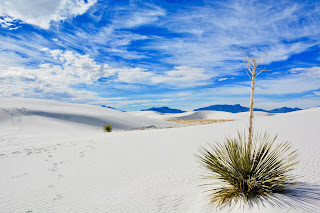
A solitary Yucca plant with a tall stalk in lots of white sand under a blue and white sky. Photo by Josh Rangel on Unsplash
Yucca in its native environment

Adjuvants – Another way to protect plants from heat stressors is to add adjuvants to their water. Yucca (Yucca schidigera) is a desert native and knows all the tricks to survive in such a harsh environment. Adjuvants like RAW Yucca Flow and Therm X-70 that use extracts from these plants deliver the secrets of the Yucca plant to your backyard. You can give your plants immediate heat relief by adding these adjuvants right away.

Covers – Use covers to protect your plants from the pounding sun. Here are many versions to choose from, or create your own. Here is a video to show you how.

Containers – Consider moving plants from beds to containers. Container planting makes water conservation easier and gives you the ability to move plants in and out of the sun.
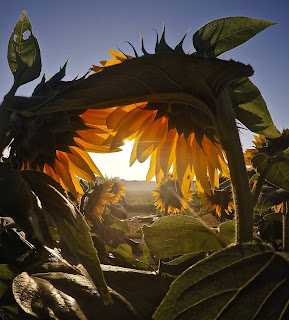
Looking into the sun through bent-over sunflower stalks.Photo by Josh Rangel on Unsplash
Embrace heat-loving plants – Seek out and cultivate plants that are well adapted to hot weather. Here are some great heat-friendly plants that you are probably familiar with:
Sunflowers – with a name like that…
Amaranth - pretty – and you can eat it!
Echinacea – beloved by pollinators – and check out these cute earrings
Yarrow - native to temperate North America

Pink and white Yarrow flowers on tall green stalks.
Yarrow blooms
Unless you live in the far northern regions of our country, you may be surprised to find there are native summer species waiting to be loved. Here in the Tucson, we have a fabulous source for desert-adapted native and heirloom plants thanks to Native Seeds/SEARCH. They have a remarkable variety of interesting seeds and stories that go with them.

Stay cool out there.
                                                                                                                         Submitted by Pam

Featured Post

IT'S EARTH DAY 2026!

Happy Earth Day from ARBICO Organics! This year we'd like to introduce you to our newest local non-profit partner - Mission Garden. Loca...